
Plastic Injection Molding Process
How are plastic injection molded parts made?
The Plastic Injection Molding Process: Understanding How Plastic Parts Are Made.
Once a plastic mold is designed, and the mold is made, the mold is loaded onto a plastic injection mold machine. Hard, plastic pellets are loaded into a hopper that feeds the injection molding machine. These pellets are made from the same material the customer specifies for use in constructing their part.
The pellets travel into a barrel and, via heat, the pellets are melted to make the material pliable and ready for injection into the mold.
A screw drives the now liquified plastic through a nozzle and into the mold, and the pressure created by the screw ensures the mold’s cavities are evenly filled.
The part quickly cools inside the mold and the mold opens to allow for the part to be ejected and released from the mold.
The injection molding machine repeats this process, normally at a very fast rate, which helps to minimize the cost of the plastic part being manufactured.
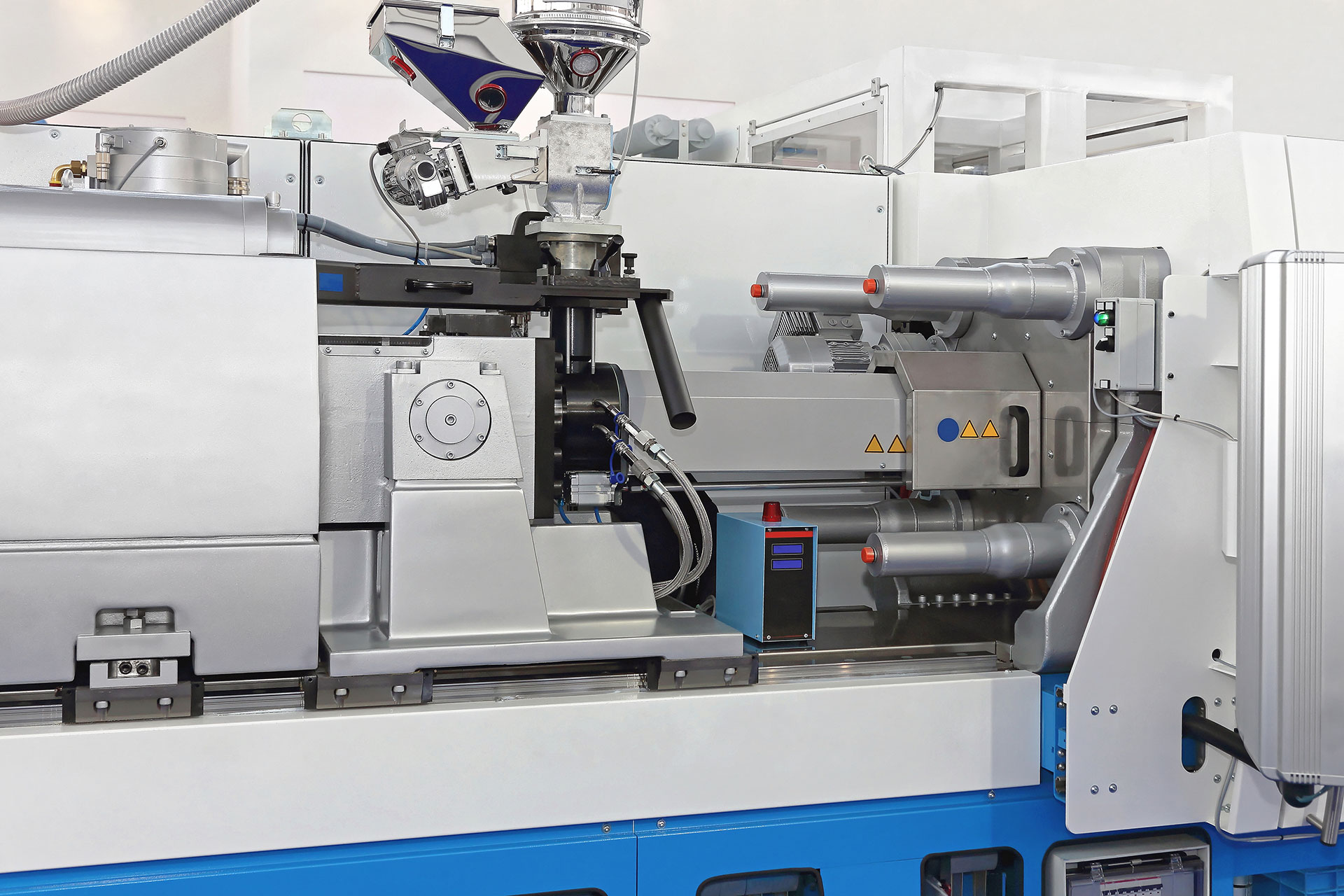
Shown here is a plastic injection mold machine with the pellet hoppers, plastic injection nozzles, and screw case that houses the screw which creates the pressure necessary to evenly inject the plastic into the plastic mold.
Continue learning about Nelson-Miller’s plastic injection molding process including selecting the right material, building a mold, features, and important specifications.
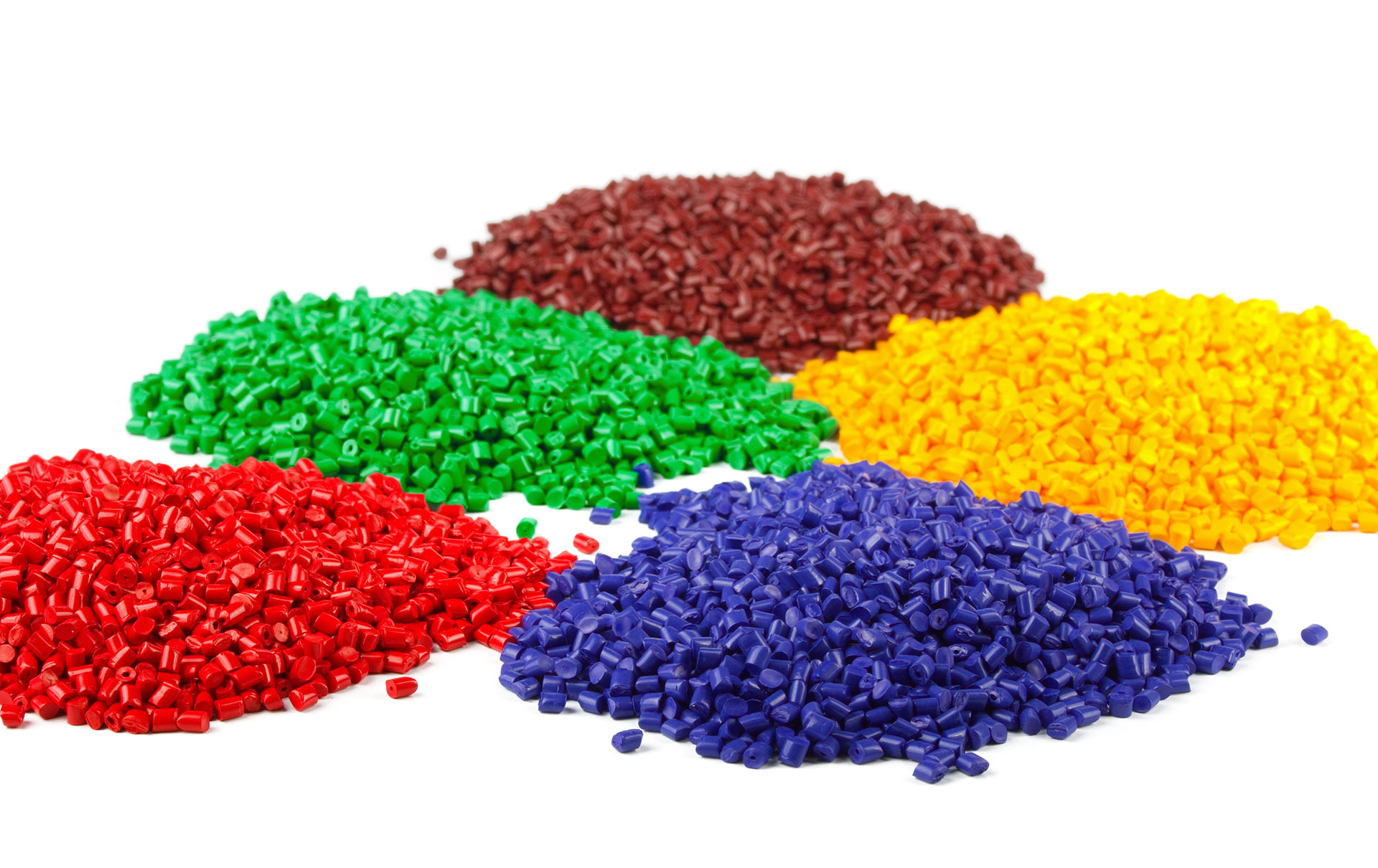
Plastic Injection Molding Materials
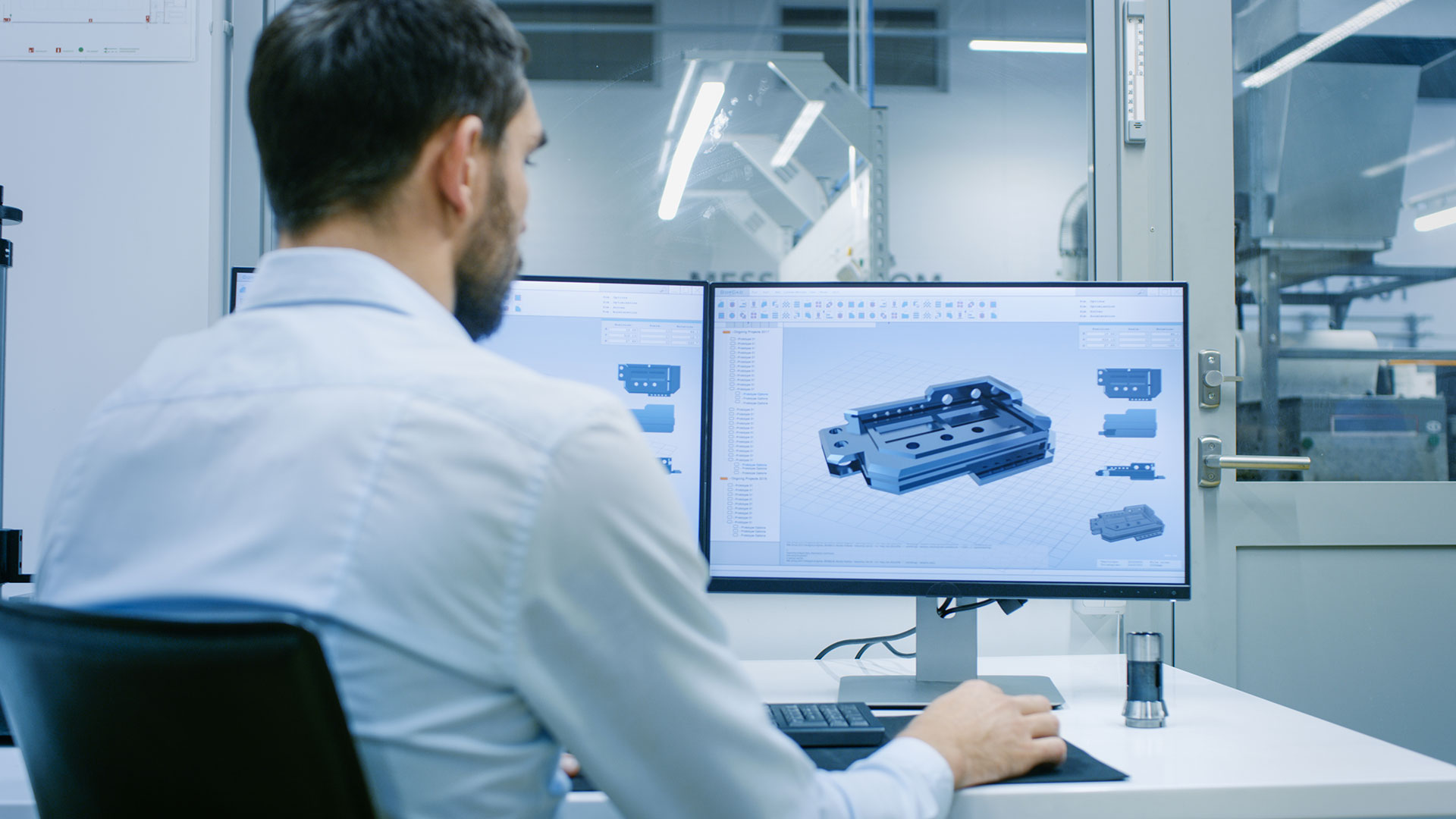
How Are Plastic Injection Molds Designed?
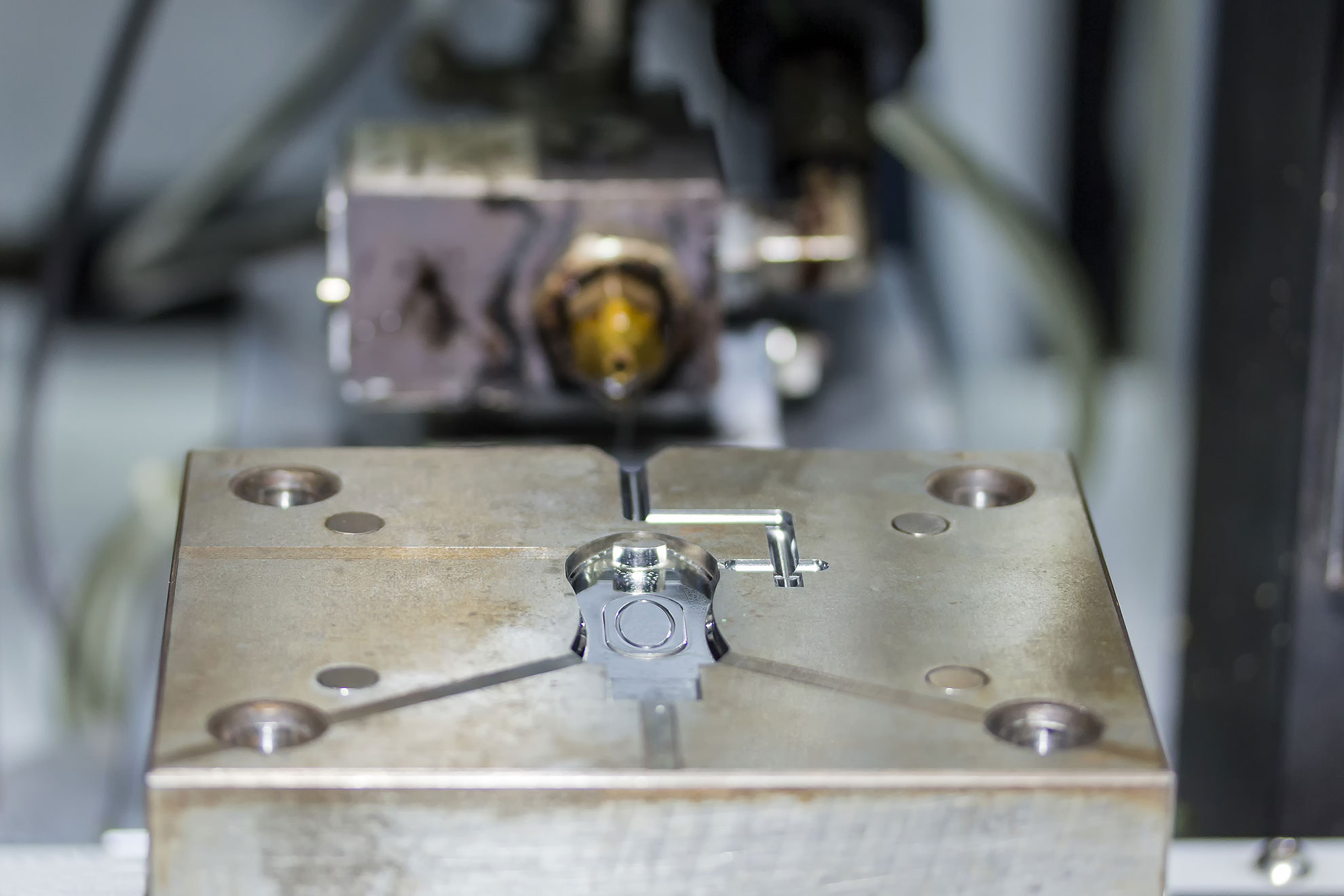
How Are Plastic Injection Molds Made?
Download our free design guide!
Designing a plastic part? This free design guide is packed with useful information such as material selection, tolerances, and do’s and don’ts.
Complete this quick and easy form, and one of our engineers will contact you to provide you with free, one-on-one support.